

Starting a business is an exciting journey, but it comes with its own set of challenges, especially when it comes to building software or digital products. Whether you’re creating an app or a custom software solution, understanding the Software Development Life Cycle (SDLC) is crucial. SDLC is a step-by-step process that helps the business and improve project management efficiently. For business founders, having a basic grasp of SDLC can make a huge difference. It helps you transform their ideas into successful products. Also you can communicate better with your tech team, manage timelines, and ensure your product meets your goals without unnecessary delays or costs. This blog will walk you through the essentials of SDLC, including its key concepts, methodologies, and best practices. So get ready to set your business up for success in building software development. Let’s dive in!
Understanding SDLC: Essential Tips for Business Founders
Understanding SDLC: Essential Tips for Business Founders
13 March 2025 | By Sowmiya | Software Development | 554 views

What is the Software Development Lifecycle?
The Software Development Life Cycle (SDLC) is a well-structured step by step process of building high-quality software in a time- and cost-efficient manner, ensuring it effectively meets user requirements. This process involves developing, deploying, and maintaining software systems to improve quality standards.
Advantages of SDLC
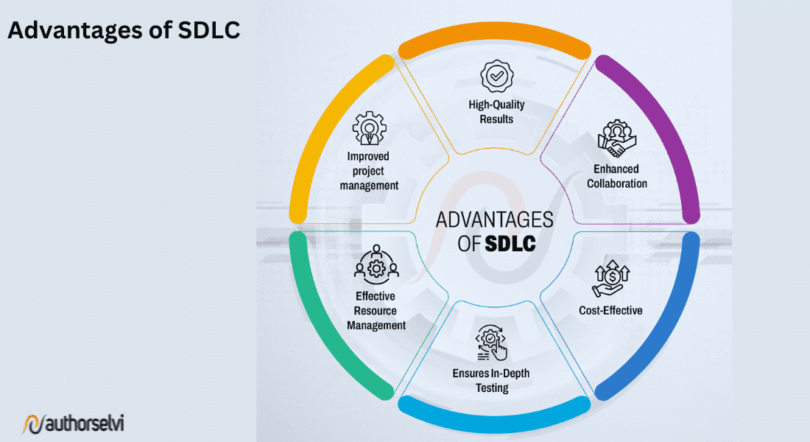
Improved project management: It is a structured process that ensures the project stays on track and aligned with its goals.
Consistently High-Quality Results: Provides a standardized framework ensuring quality output.
Enhanced Collaboration: Improves communication and teamwork.
Cost-Effective: Identifies issues early and reduces development cost.
Ensures In-Depth Testing: Guarantees reliable and user-friendly software.
Effective Resource Management: Improves productivity and efficiency.
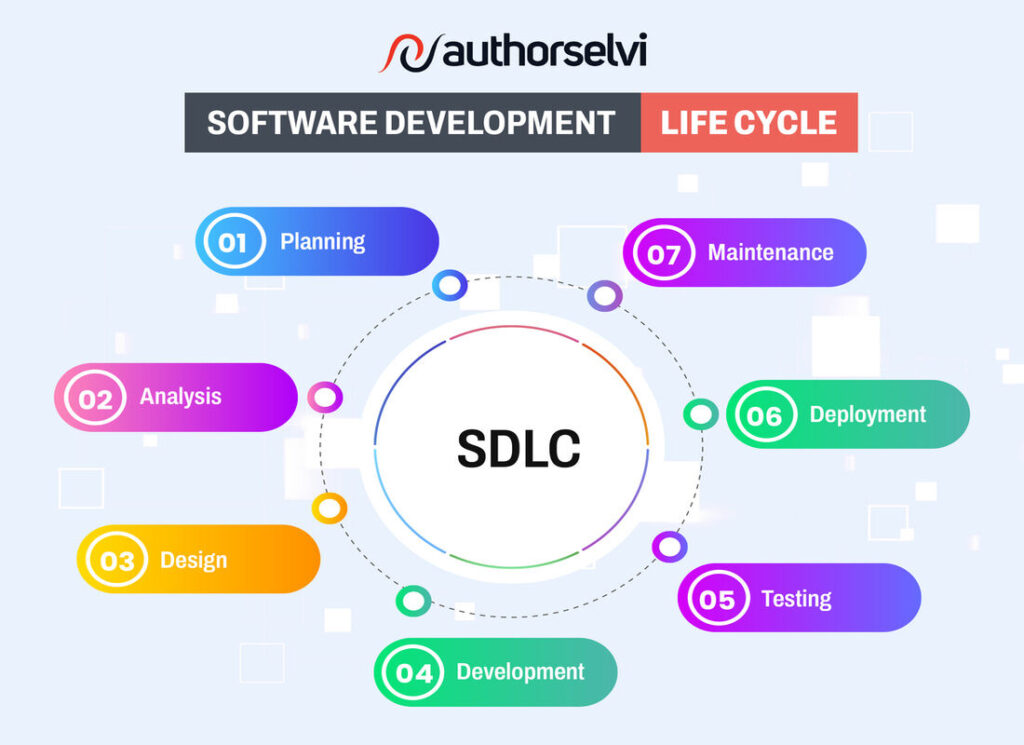
Phases of the Software Development Life Cycle
The SDLC outlines tasks for software engineers at each stage.
- Planning
- Analysis
- Design
- Development
- Testing
- Deployment
- Maintenance
1. Requirement / Planning Phase
The requirement analysis phase defines clear goals and ensures project success by aligning stakeholders.
2. Analysis
This stage gathers system requirements and creates SRS documentation.
3. Design
Focuses on user experience and system architecture planning.
4. Development
Developers write code and integrate using CI tools.
5. Testing
Ensures quality through manual and automated testing.
6. Deployment
Application is released and monitored for performance.
7. Maintenance
Continuous updates, bug fixes, and improvements.
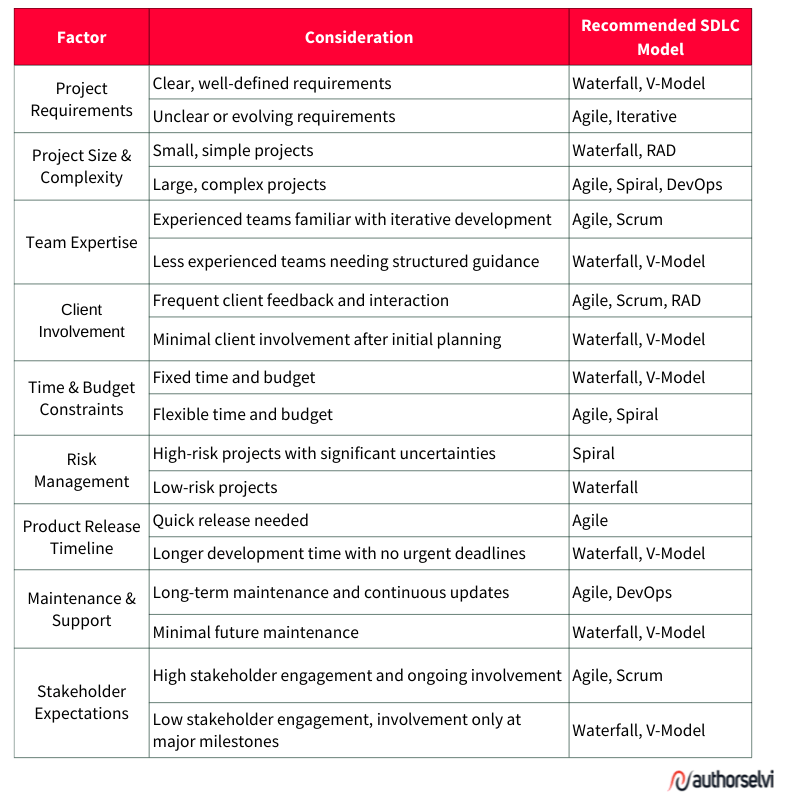
Choosing the Right SDLC Model
Waterfall: Linear and structured approach.
Agile: Iterative and flexible development.
Spiral: Combines iterative + risk analysis.
DevOps: Continuous delivery and integration.
V-Model: Testing aligned with development.
Iterative: Gradual improvements cycle by cycle.
How to Choose an SDLC Model?
Conclusion
Are you a business owner looking to develop a high-quality app or software solution? Partnering with a trusted software development company can make all the difference.
They ensure seamless development, reduce cost, and deliver high-quality results. Contact us at info@authorselvi.com
Sowmiya
Content Author
I’m Sowmiya, a seasoned content writer and digital marketer, responsible for enhancing customer engagement and digital presence. I love to write crafting captivating blog content and implementing effective marketing strategies to connect with audiences. Also I have experience in managing social media, email campaigns, driving organic traffic etc. I enable businesses to adapt, innovate, and attain long-lasting success in the digital era.